

Answering new donor questions to lift revenue
This morning, I attempted to plug my computer into its dock so I could use the keyboard and monitor at my desk. Despite this working every other day, this time it didn’t.
So, I started unplugging and plugging things into my computer. I googled why my dock wouldn’t be working. I messed around with settings. And long story short, after much debugging, I realized the power cord had gotten unplugged from the wall. There was a missing piece that meant I had a problem.
There’s a frequently forgotten piece that can minimize the effectiveness of those efforts—it’s the new donor welcome.
This type of issue happens all too often in nonprofit fundraising communications. Not the plug specifically, but the case of doing so many things right yet still having one missing piece that causes a big problem. A great amount of effort at most nonprofits goes into making sure the right creative gets in front of the right donors at the right time, and that’s good! But there’s a frequently forgotten piece that can minimize the effectiveness of those efforts—it’s the new donor welcome.

New Donor Experience Matters
This critical time period – from the moment a donor gives their first gift until about three months of being on the file – is when a donor is most excited about connecting with your ministry. Something moved the donors’ hearts to give, and now, they are paying attention to your messages and hungry to hear about their impact.
Recently, we conducted a research project called the Donor Experience Scorecard. In it, we donated to over 100 different nonprofit organizations online. We observed the communications sent during the first couple of months that a donor was on the file.
Shockingly, there were some very large gaps. 42% of organizations in the study sent no mail whatsoever to digital donors, and only 11% sent any message via phone. This is important because it limits digital donors to online channels – and with our clients, we’ve seen a 52% lift in long-term revenue from donors when they interact with organizations in an omnichannel way.
There’s a huge opportunity at the start of new donor relationships to lay the foundation for long-term giving at a higher level, and many organizations are missing it just as boldly as the unplugged computer cord.
As your organization looks to grow, there are three critical questions your donor needs answered in those first few months with you. Answer them well, and you’ll lay a solid foundation for a long-term partnership in ministry.
1. Donor Question: Did My Gift Make it?
In the mind of a new donor immediately after giving, two conflicting thoughts often arise. First, there’s excitement! The donor was moved by your ministry and was happy to contribute. Second, there may be a concern that something went wrong. Did my gift go through correctly? Is this website legitimate? Will my funds be used how I wanted?
For online donors, an immediate gift acknowledgement can help to ease fears and reinforce the positive. It should be sent promptly after the donation occurs so donors can see that their money went where intended, the amount charged is accurate, and they’re reminded of the good they’re a part of now. Although most donation platforms send this type of message by default, for 16% of international organizations and 10% of rescue missions, we didn’t receive any emails confirming our donation.
The next step in an effective donor welcome is following up with a printed receipt for tax purposes. This also serves as a reinforcement of impact and keeps your new partnership at the forefront.
Recently, there’s been a decline in the number of organizations providing printed receipts for online donors – in fact, only 48% of the international nonprofits observed mailed receipts. For the nonprofits we serve, we see this not only as a critical communication stream, but one that often more than pays for itself. Receipts sent with a return envelope will often motivate donors to immediately send a second gift, and that quick second engagement goes a long way toward helping donors stay committed to your organization long term.
2. Donor Question: Do I Matter to Your Organization?
Donors receiving gratitude and confirmation that they’ve made an impact are consistently among the top contributors to their decision to give again. A single message in a receipt mailing or email simply isn’t enough. A welcome note or newsletter is another way to help ensure donors know their gift matters to you and that their partnership is integral to the amazing work you’re doing to make the world a better place.
These messages can be custom and unique to welcoming new donors – or they can be evergreen content, crafted once yearly and printed on demand to help save costs. In either case, this is the time to let the gratitude and stories of impact shine.
As you write these messages, be sure they aren’t about how much good your organization is doing. Instead, focus on the wonderful work the donors make possible through their giving.
3. Donor Question: Are Your Messages Worth Paying Attention To?
Personalized communication that is unique, takes time, and doesn’t seem mass produced is key to ensuring donors feel like your messages are worth opening. In these first few weeks, give content that shows behind-the-scenes donor impacts or feels like a personal touch straight from the CEO. These messages are the most likely to be seen, so they have a big impact on whether donors open another message in the future.
Calls and texts are two of the most under-utilized channels by nonprofit organizations, with only 11% of organizations in the Donor Experience Scorecard using these mediums. However, calls and texts can play a huge part in quickly delivering a personal touch to new donors.
Phone calls can be made by volunteers, board members, staff, or a third-party provider. Depending on your budget, this can be limited to just certain segments of the file or just the new donors. In any case, even if calls go to voicemail, these messages serve as a personal thank you that makes donors feel like they’re more than just numbers on a spreadsheet.
Text messages are unique because they have a 98% open rate. No other channel can get in front of donors’ eyes like this one. So, it is a great way to make sure a thank you gets seen as you connect with your donors.
A Final Caution: Don’t Set It and Forget It
One final recommendation: We encourage you to have a dedicated time (or times) of the year to re-look at your welcome process. A welcome process can be automated, but it shouldn’t be forgotten about. Many variables can lead to outdated messaging or technical hurdles getting in the way of relevant or timely delivery.
A welcome process can be automated, but it shouldn’t be forgotten about.
We cannot tell you how many times we’ve seen organizations that had been getting receipts out in 24-48 hours but later evaluate themselves and find that processes have slowed. This continual testing and refining present great opportunities to discover what donors really experience when interacting with your organization so you can maintain ongoing improvement.
Prayerful Planning for Growth
As your organization looks ahead, our prayer is that you find success and your ministry continues to grow and connect with more donors. And when you do, this consistent focus on answering new donor questions will serve you well. The time and funds invested lay the foundation to help donors grow from new into long-term committed partners, helping your organization be a bigger part of what is right with the world.
###
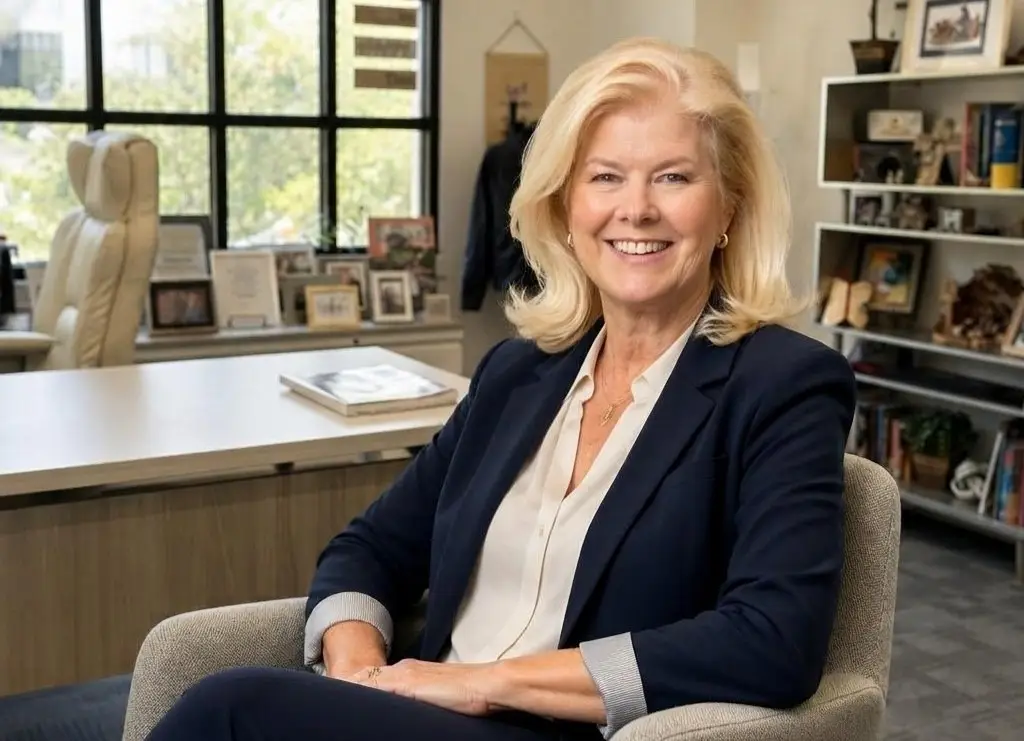
Aubrey Hoeppner is Vice President, Client Services for Douglas Shaw & Associates. She leads the client services team, combining data insights with donor-centered strategy. With a sharp eye for detail and a strong listening ear, she helps clients connect the right message with the right donors at the right time to meet financial goals. Amy Sewell is Senior Vice President of Digital Solutions at Douglas Shaw & Associates. She leads digital strategy, using data-driven solutions to expand donor reach and engagement. A gifted problem-solver with a heart for service, she crafts and executes impactful campaigns across platforms – transforming client goals into measurable results while inspiring others with her insight and passion.

Featured Articles
A Story from the Heart
Aug 27, 2026
Storytelling That Endures
Aug 27, 2026

Structuring Successful Storytelling
Aug 27, 2026
