
Christian Perspectives on AI and Agentry
The dawn of artificial intelligence has ushered in a technological transformation unlike any other in recent history. As the world shifts from the automation era to a new age marked by intelligence, ministries have a calling to observe, reflect, and respond with discernment and faith. The rapid evolution of AI presents not only opportunities for ministry and service, but also profound challenges related to worldview, ethics, workforce impacts, and culture.
The rapid evolution of AI presents not only opportunities for ministry and service, but also profound challenges…
Artificial intelligence, especially generative AI—first introduced to the global stage by Google engineers in 2017—marks a departure from earlier advances in software, the internet, and mobile technology. While those technologies primarily improved automation, AI is now enabling computers to exhibit forms of intelligence, with the prospect of reaching superintelligence in the future. This shift is already influencing how organizations imagine worker productivity, as AI agents begin automating tasks and reshaping workflows.
AI ‘Agentry’
Within the technology sector, a significant trend has emerged: the adoption of “agentry.” AI agents are digital entities capable of independent or collaborative action. They are being integrated into work environments. They automate processes and support decision-making.

The underlying technology of AI continues to evolve, with a growing emphasis on the role of agents in the inferencing phase of AI operations. While training large models remains resource-intensive and can yield diminishing returns, the deployment of multiple specialized agents working together or alongside humans allows for more efficient and effective use of existing models. This approach, known as AI agentry, is rapidly gaining traction. Rather than relying on a single AI assistant, organizations are deploying teams of agents to manage complex tasks, increase productivity, and enable workers to focus on higher-level decisions.
Reports such as the 2025 Microsoft Work Trend Index highlight the transformative potential of agents in roles such as supply chain management, where AI can handle logistics end-to-end while humans oversee the process and resolve exceptions. Microsoft’s Copilot Agent Studio exemplifies this shift, offering organizations tools to deploy agents for research, communication, and data analysis. As agents become more prevalent, the workforce is evolving: all employees may soon find themselves managing teams of AI agents, while managers oversee both human and digital contributors.
Experimenting with AI Agents
Christian organizations interested in increasing productivity and good stewardship, should be experimenting with AI agents. They can encourage employees to create their own teams of agents, leveraging digital interactions and data to enhance productivity and support.
For example, customer support personnel can record and transcribe communications, generating a knowledge base that AI agents use to automate reporting, scheduling, and virtual tiers of support in the future. This approach can allow staff to focus on meaningful engagement with customers rather than tedious administrative tasks.
This is an opportunity for IT organizations to lead in a highly relevant and impactful strategic initiative. IT should lead efforts to identify areas where AI agents can provide the greatest benefit, with the goal of empowering all knowledge worker employees to harness these tools.
To ensure responsible and effective use of AI, IT should develop and publish an AI Use Policy for staff, providing clarity and inspiration regarding AI adoption.
Trends to Watch
Factors such as access to electrical power, semiconductor availability, and the scale of data used for training models propel the trajectory of AI innovation. Power generation and distribution have become critical areas of focus, with Western countries exploring nuclear options as interim solutions while seeking to expand solar capacity. The arms race between China and the West over power infrastructure is a testament to the centrality of energy in sustaining AI growth. For instance, training a single advanced model like OpenAI’s GPT-4 reportedly required over $100 million and consumed enough electricity to power San Francisco for three days.
Geopolitical considerations are equally pressing, particularly in the realm of semiconductor manufacturing. Taiwan Semiconductor Manufacturing Company (TSMC) dominates this sector and rising tensions in regions such as the South China Sea highlight the strategic importance of these components.
An area of rapid development is the introduction of AI companions…
An area of rapid development is the introduction of AI companions. They are virtual entities designed to simulate human interaction. Within the next few years, broad adoption and availability of AI companions is anticipated. These systems, such as Grok 4 developed by Elon Musk’s company X, are designed to offer highly immersive experiences, including personalized interactions with characters tailored for children or adults. With multi-agent architectures, users can engage with AI teams rather than single assistants, deepening the illusion of companionship and understanding.
Other companies are following this trend. Mark Zuckerberg, for example, is exploring ways to enhance engagement across platforms like Facebook by introducing AI friends capable of supporting users through difficult conversations and life challenges. As these AI companions become more sophisticated and personalized, they may offer support and guidance that, while helpful, also carries risks—particularly for children and those navigating complex emotional or spiritual terrain.
The Importance of Engagement for Christian Organizations
As these shifts unfold, it is increasingly apparent that a small group of leaders whose perspectives are often shaped by secular worldviews are setting the direction of AI innovation. The decisions they make will reverberate throughout society. This shapes not only the tools we use but also the values and assumptions embedded in those tools. For ministries, this reality underscores the importance of actively engaging with the ethical, theological, and social dimensions of AI.
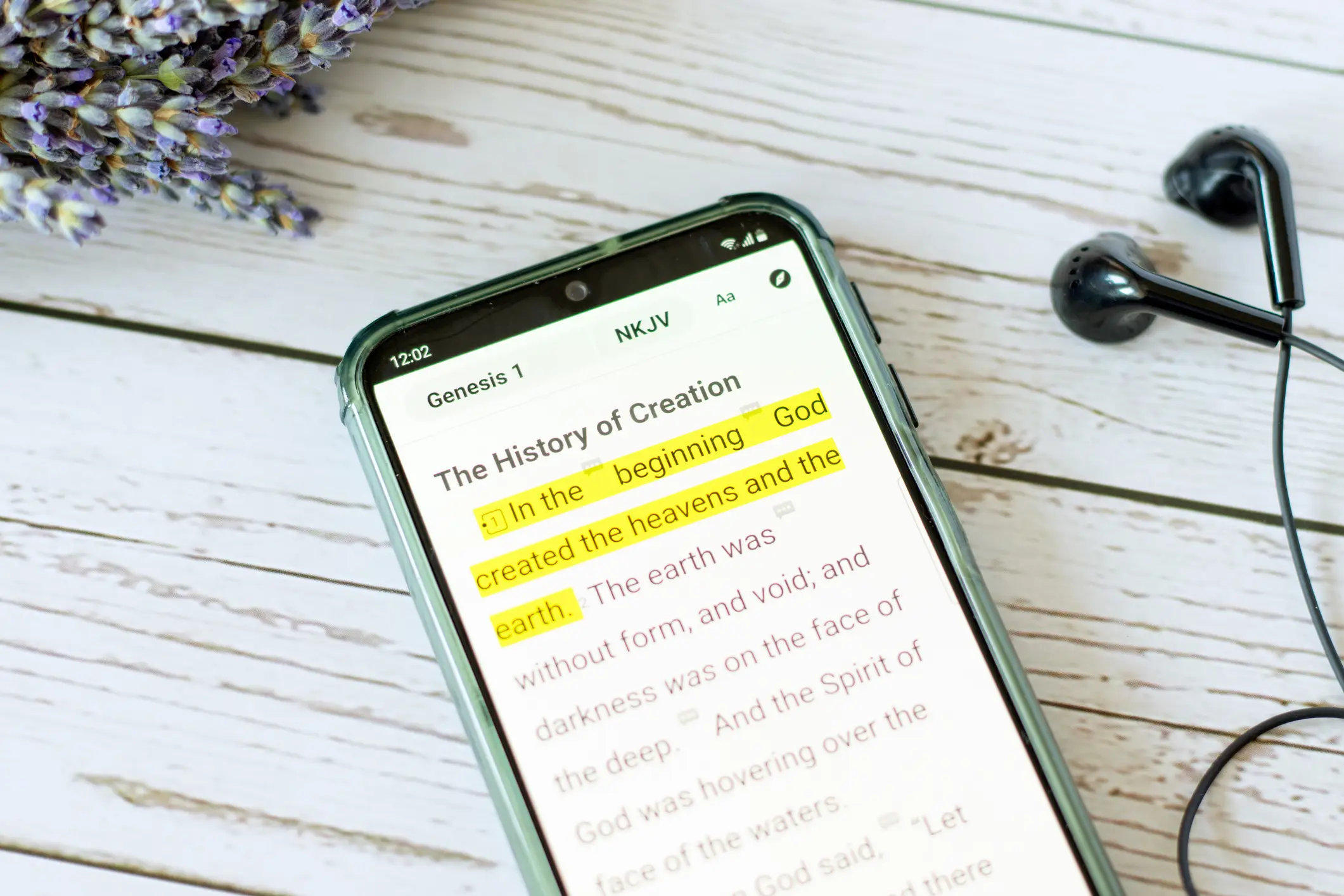
“Then God said, “Let us make mankind in our image, in our likeness, so that they may rule over the fish in the sea and the birds in the sky, over the livestock and all the wild animals, and over all the creatures that move along the ground.” (Gen. 1:26)
From a Christian standpoint, the proliferation of synthetic relationships and influences designed by those with secular worldviews presents significant concerns. It is vital to remember that humans are unique, created in God’s image and endowed with a soul. We must uphold this truth amid the rising tide of artificial companionship.
As the divide between secular and Christian worldviews sharpens in the face of AI advancements, discussions around Scripture, ethics, and the nature of intelligence will become increasingly prominent within ministry groups.
Christians will grapple with whether AI is a force for good or a potential source of harm, even evil.
The threshold of Artificial General Intelligence (AGI)—when machines become capable of learning, reasoning, and adapting across domains—may soon be crossed, raising profound questions about life, souls, and the spiritual implications of technology. Christians will grapple with whether AI is a force for good or a potential source of harm, even evil. Control over AI infrastructure will confer unprecedented influence, making it more critical for ministries to remain informed and resilient.
An Essential Distinction
The implications are profound, not only for efficiency but also for how individuals and organizations relate to technology and to one another. As ministries engage with these innovations, it remains essential to consider the broader spiritual and societal context in which these changes occur.
As AI systems become more sophisticated, their intelligence increasingly mirrors human cognition. Yet, from a Christian perspective, an essential distinction remains: human beings are created in God’s image, endowed with a soul, whereas machines are not. This foundational difference will become more apparent as AI advances, deepening the divide between secular and faith-based worldviews.
Ministries and their leaders must remain vigilant and engaged, equipped to address questions that touch on the nature of the soul, human purpose, and the ethical use of technology.
###
Tad Brockway is the Chief Technology Officer for Bible Study Fellowship (BSF). BSF’s mission is global, in-depth Bible studies producing passionate commitment to Christ, his Word and his church. BSF’s vision is to magnify God and mature his people. Tad joined BSF in 2024 after retiring from Microsoft Corporation where he was a Corporate Vice President in Microsoft Azure. You can find Tad on LinkedIn at this location if you would like to connect to him directly.
Tad Brockway will lead a workshop entitled “Deplatforming Risks – 10 Year Horizon” at The Outcomes Conference 2026 in Dallas, Texas (April 28-30). Please join us for this transformational event for Christian nonprofit leaders. Register >>

Featured Articles
A Mission of Multiplication
Feb 26, 2026

Multiplying Leaders
Feb 26, 2026

Multiplying Resilience
Feb 26, 2026
