
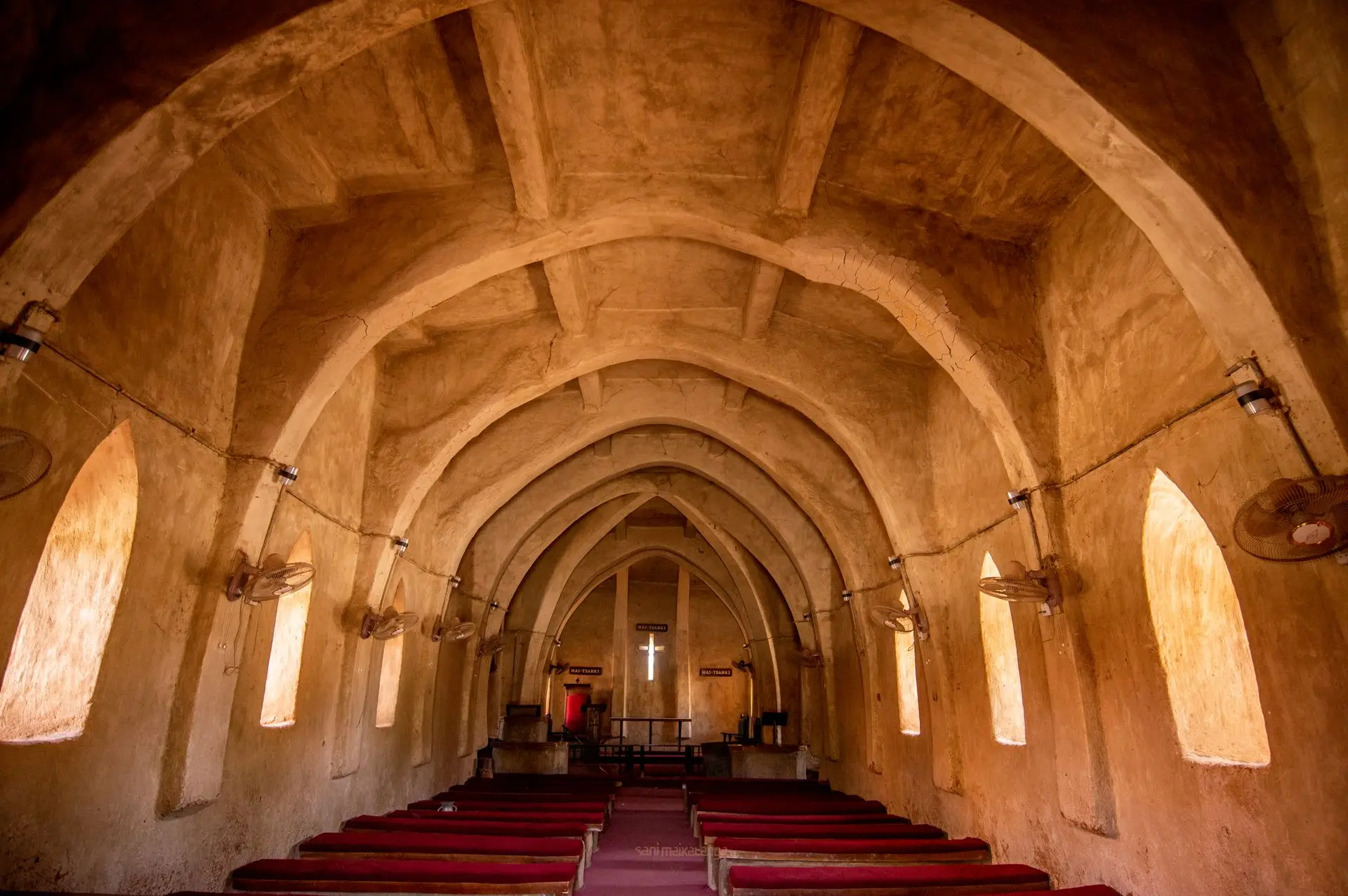
Witnessing the gospel at work through the local church.
I once heard that great storytelling rests on three essential elements: characters, conflict, and resolution. Maybe that’s why the gospel is often called the greatest story ever told. Scripture is profoundly centered on God’s people. It is honest about the tension of a broken world, and anchored in the transforming work of Christ.
I could use this opportunity to tell you Compassion International’s organizational story — and it’s a good story. However, the real action, the dramatic tension, and transformation aren’t found in organizational milestones. They are found in the slums, alleys, and dirt floor communities where the poor are struggling to stay afloat against geographic, political, and economic circumstances beyond their control. Our story is found in the pursuit for education, health, discipleship, and opportunity.
It is a pursuit of hope—and that story takes place in the local church.
The church is where the gospel is lived, taught, embodied, and extended.
If you truly want to understand Compassion, you have to understand the local church. The church is where the gospel is lived, taught, embodied, and extended. It is where people are known by name, where poverty is confronted with courage, and where transformation unfolds through the saving grace of Christ.
When our ministry communicates globally, we aren’t elevating an organization — we’re illuminating the gospel‑shaped work of churches who know their communities intimately.

The Characters
At the center of every Compassion story is a child. Children in poverty are among the most vulnerable people in the world. Often deprived of nutrition, education, and opportunity, they begin life in an uphill battle. But the local church, when healthy and empowered, is uniquely positioned to help level the playing field.
Take Davis, a young Kenyan sponsored by a family in the United States. When Davis’ sponsors visited his home, they were moved by the conditions his family faced. They asked his local church for guidance on a gift that could change the trajectory of his life. Their answer: a cow. Not money. Not groceries. And not even a new home. The church knew how a single cow could rewrite Davis’s future. Income from milk led to more cows. Cows led to calves. Calves sold led to repairs on the home and stability for the family.
The local church knew what we couldn’t know thousands of miles away. The church is the relational heartbeat of every story we tell. And Compassion exists to empower her.
The Conflict
Every good story contains tension — a problem that requires resolution. In the gospel, conflict comes from sin, brokenness, and separation from God. In Compassion’s context, the tension is poverty — a complex web of barriers that churches confront with courage and creativity.
Consider Togo, where years of drought left farmers in the village of Golovou facing overwhelming odds. As one said, “We were trapped in debt and poor crops, and we couldn’t provide for our families.” The church stepped in, not with charity, but with strategy. They identified alternative crops, secured fair buyers, negotiated contracts, and protected farmers from dishonest market practices.
That is not a story about organizational intervention. It is a story about the church confronting tension with wisdom, advocacy, strategy, and love. And it reflects the gospel’s own movement: God steps into tension and begins the work of restoration.
The Resolution
In the gospel, transformation is the resolution — new creation, restored identity, redeemed purpose. In ministry, transformation is often slow, relational, and shaped by presence. The church is the catalyst — the one who stays, prays, listens, and walks with families through seasons of fear and hope.
When Typhoon Rai battered Lea’s community in the Philippines, tearing her humble home apart, she remembers that “some of the first responders were people from our church and the Compassion center.” Her healing came not only through emergency relief, but through counseling, prayer, and consistent presence from people who knew her story intimately.
Transformation is not always loud and triumphant. Sometimes it is quiet, shaped by people who show up repeatedly. When we tell stories of trauma it’s not for dramatic effect. It is to honor the church’s ministry of presence — and to echo the gospel’s promise that “if anyone is in Christ, the new creation has come” (2 Cor. 5:17).
The story of the local church drives our mission.
The story of the local church drives our mission. It keeps us focused on proximity, relationship, and the gospel lived out in real places with real people. When supporters hear these stories, they don’t just learn what Compassion does—they witness the gospel at work through the local church.
And that has always been the greatest story that we have to tell.
###
Tim Glenn is the Director of Global Public Relations for Compassion International, where he has served for 22 years. Before joining Compassion, Tim spent 14 years in television news as an award-winning producer and anchor. He and his wife, Jennifer, live in Colorado Springs with their two sons, Morgan and Grayson. You can contact Tim at tglenn@us.ci.org

Table of Contents
Featured Articles

A Story from the Heart
Aug 27, 2026
Storytelling That Endures
Aug 27, 2026

Structuring Successful Storytelling
Aug 27, 2026
