

Building a culture of continuous growth
In today’s workplace, Christian nonprofits face growing challenges related to employee engagement, retention, burnout, and rapidly changing technology. As ministry leaders navigate these realities, one truth has become increasingly clear: equipping employees can no longer be viewed as a one-time onboarding activity or occasional training event.
Organizations that thrive are those that intentionally create a culture of continuous growth.
Embracing Stewardship
At First Baptist Church of Glenarden International (FBCG), we have learned that equipping people is ultimately about stewardship. When organizations invest in the growth of their teams, they communicate value, purpose, and care. Employees who feel supported personally, spiritually, and professionally are often more engaged, collaborative, and prepared to serve others effectively.
Creating a culture of development requires intentionality.
Creating a culture of development requires intentionality. At FBCG, learning opportunities are integrated throughout the year and across departments. Initiatives such as HR University, Learning Bites, leadership trainings, mentoring opportunities, and staff retreats help cultivate continuous improvement and lifelong learning. These opportunities are not reserved solely for senior leadership. We believe growth should be accessible at every level of the organization because leadership influence exists far beyond titles.

Preparing for a Changing Workplace
Equipping also involves preparing employees for the realities of a changing workplace. Technology, communication styles, and workforce expectations continue to evolve rapidly. Organizations that embrace adaptability position their teams for long-term success.
Over the past year, FBCG has incorporated additional technology and AI training opportunities to help employees navigate these changes confidently and responsibly. Investing in practical skills development not only strengthens organizational effectiveness, but it also helps employees remain agile and prepared for future challenges.
Equipping the Whole Person
At the same time, Christian organizations have a unique responsibility to equip the whole person, not simply the employee. Technical competence is important, but healthy organizations also prioritize spiritual formation, emotional health, and relational growth. Employees do not leave personal struggles, family responsibilities, or life pressures at the door when they come to work. Healthy teams are built when leaders recognize and support the full humanity of the people they serve.
This holistic approach to development is deeply connected to FBCG’s mission of “Developing Dynamic Disciples through Discipleship, Discipline and Duplication.”
Through discipleship programs, mentorship, and biblical teaching, employees and members alike are encouraged to grow spiritually while developing leadership and life skills. Each July, our Joint Discipleship Graduation celebrates individuals who have completed various discipleship programs and taken intentional steps toward spiritual maturity and servant leadership.
In addition, Pastor John K. Jenkins Sr.’s sermon series regularly provide practical biblical guidance on topics such as finances, marriage, singleness, conflict resolution, and spiritual growth. These teachings reinforce the understanding that effective leadership begins with healthy individuals. Equipping people spiritually and personally often strengthens how they lead professionally.
Empowering Collaboration
Strategic partnerships also play an important role in organizational development. FBCG has greatly benefited from its relationship with Christian Leadership Alliance (CLA). Each year, multiple team members attend the Outcomes Conference as part of their leadership growth and professional development. These experiences expose staff to innovative ideas, practical solutions, and valuable connections with other Christian leaders across the country.
The Credentialed Christian Nonprofit Leader (CCNL) program has become an important component of our development culture.
Additionally, the Credentialed Christian Nonprofit Leader (CCNL) program has become an important component of our development culture. Each year, FBCG celebrates new CCNL graduates who have strengthened their leadership capacity through biblically grounded nonprofit education. The program equips leaders with practical tools while reinforcing the importance of Christ-centered leadership, stewardship, and organizational excellence.
Strengthening Long-Term Impact
Ultimately, equipping employees is not simply about increasing productivity or improving organizational performance. It is about investing in people so they can fulfill their God-given purpose with excellence, wisdom, and integrity. Ephesians 4:12 reminds us that leaders are called “to equip his people for works of service, so that the body of Christ may be built up.”
When organizations commit to building a culture of continuous growth, they strengthen not only their teams, but also their long-term kingdom impact.
###
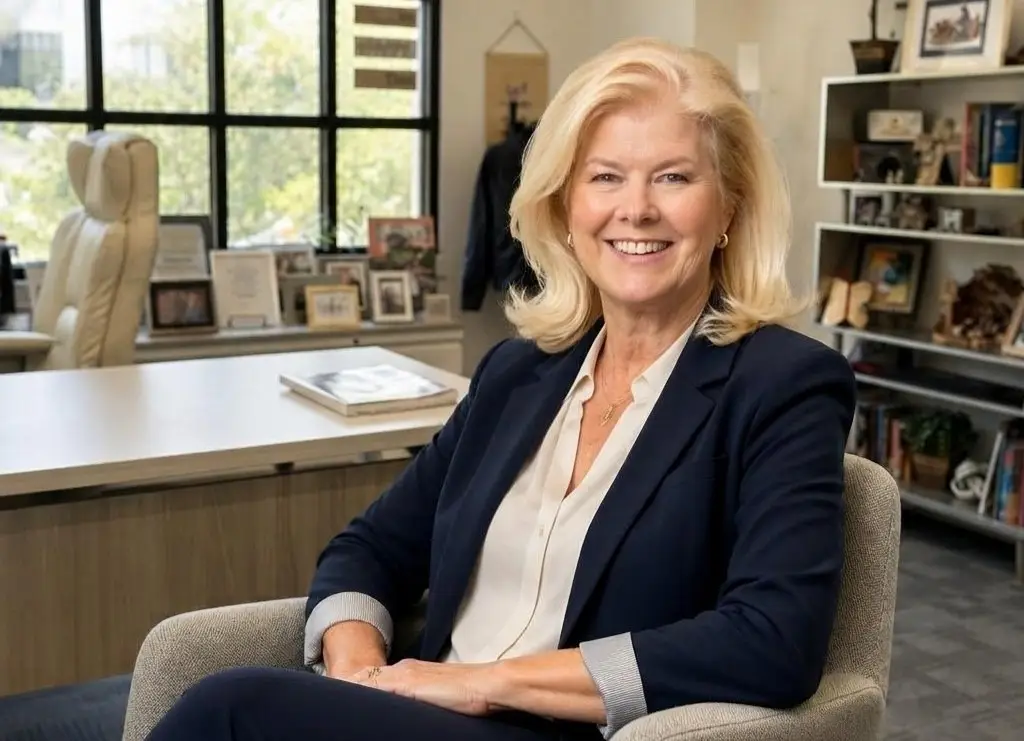
Kimberly Robinson, CCNL, is Director of Human Resources at First Baptist Church of Glenarden International in Maryland, where she has served since 2007. She has more than 20 years of HR experience and specializes in organizational development, leadership growth, and building systems that help ministries thrive. Connect with Kimberly at: krobinson@fbcglenarden.org.

Featured Articles
A Story from the Heart
Aug 27, 2026
Storytelling That Endures
Aug 27, 2026

Structuring Successful Storytelling
Aug 27, 2026
